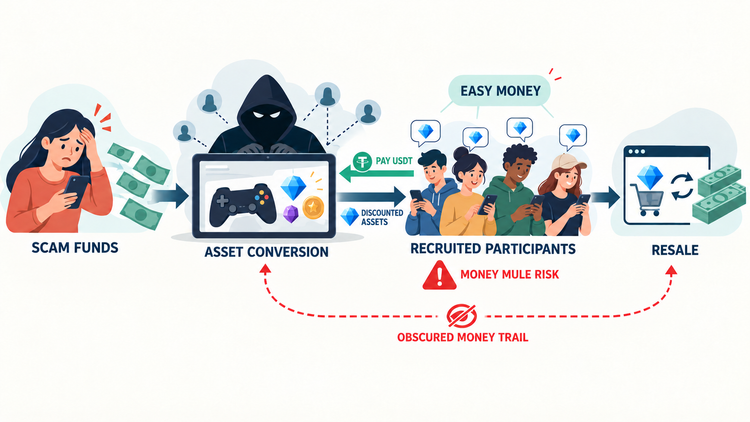
“A Money-Making Circle for Gen Z”: How Scam Compounds Recruit in Comment Sections

“I want to build a money-making circle for Gen Z.”
If you see a comment like this on Xiaohongshu, Douyin or another social platform, followed by an invitation to send a private message, connect on WeChat or join a “money-making group,” pause before responding. The person behind the supposed opportunity is very likely a recruiter for a scam operation screening potential targets.
This line is not a community promotion by an entrepreneurship blogger. It is a recruitment script found in internal materials used by the scam industry.
The publisher of the materials instructs recruiters to search for content about motivation, making money, loans and debt, specifically looking for users who say in the comments that they have“no money,”are“in debt”or are“looking for an opportunity.”Recruiters then use multiple accounts to comment on popular posts:
“Anyone want to make money together?” “People in debt can connect and talk.” “I have a project with a low barrier to entry and can show you how to do it.”
When someone asks for details, recruiters invite them to chat privately, then move the conversation to WeChat or a group chat. In the source material’s words, once the group has enough members, they can begin “working on them one-on-one (一对一洗).”
Here, “working on them (洗)” does not mean offering ways to earn money. It means tailoring a scam to a target’s background, financial circumstances and psychological vulnerabilities. The supposed “money-making circle” is simply the first stage of a funnel for selecting victims.
Why Scammers Look for People in Comment Sections

Recruiting through comment sections is much less conspicuous than cold calling.
When people publicly disclose debt, unemployment or an urgent need for money, they have already revealed what they need. Scammers do not have to probe a broad audience; they can simply offer an apparently suitable “opportunity” that matches those needs.
Targets, meanwhile, often believe they found the project and contacted fellow “circle members” on their own, making them less guarded. Once added to a group chat, they may see mentors, project operators and supposedly successful participants repeatedly displaying earnings and urging them to join. All of these roles, however, may be controlled by the same group of people.
The illicit materials remind recruiters to “package yourself.” Profile photos, WeChat Moments posts, luxury-car videos, office photos, contracts and success stories can all be assembled into a credible persona.
After drawing someone into a private conversation, scammers adjust the story to the target’s circumstances. People in debt may be offered overseas loans or foreign-exchange projects; job seekers may receive invitations involving logistics, drug trials or filming; those seeking quick money may be offered work transporting gold, luxury watches or other valuable goods.
Although the stories differ, they share the same core features: minimal entry requirements, unusually high returns, a short time frame, and a requirement to travel abroad or to a border area, with transportation and accommodation arranged by strangers.
“If It Is in the News, How Could It Be Fake?”

The first common scam involves supposedly carrying goods across borders (背货).
Recruiters present the transport of gold, watches, chips, timber and other goods as a lucrative business. When targets question whether the project is real, the prescribed response is:
If it is in the news, how could it be fake?
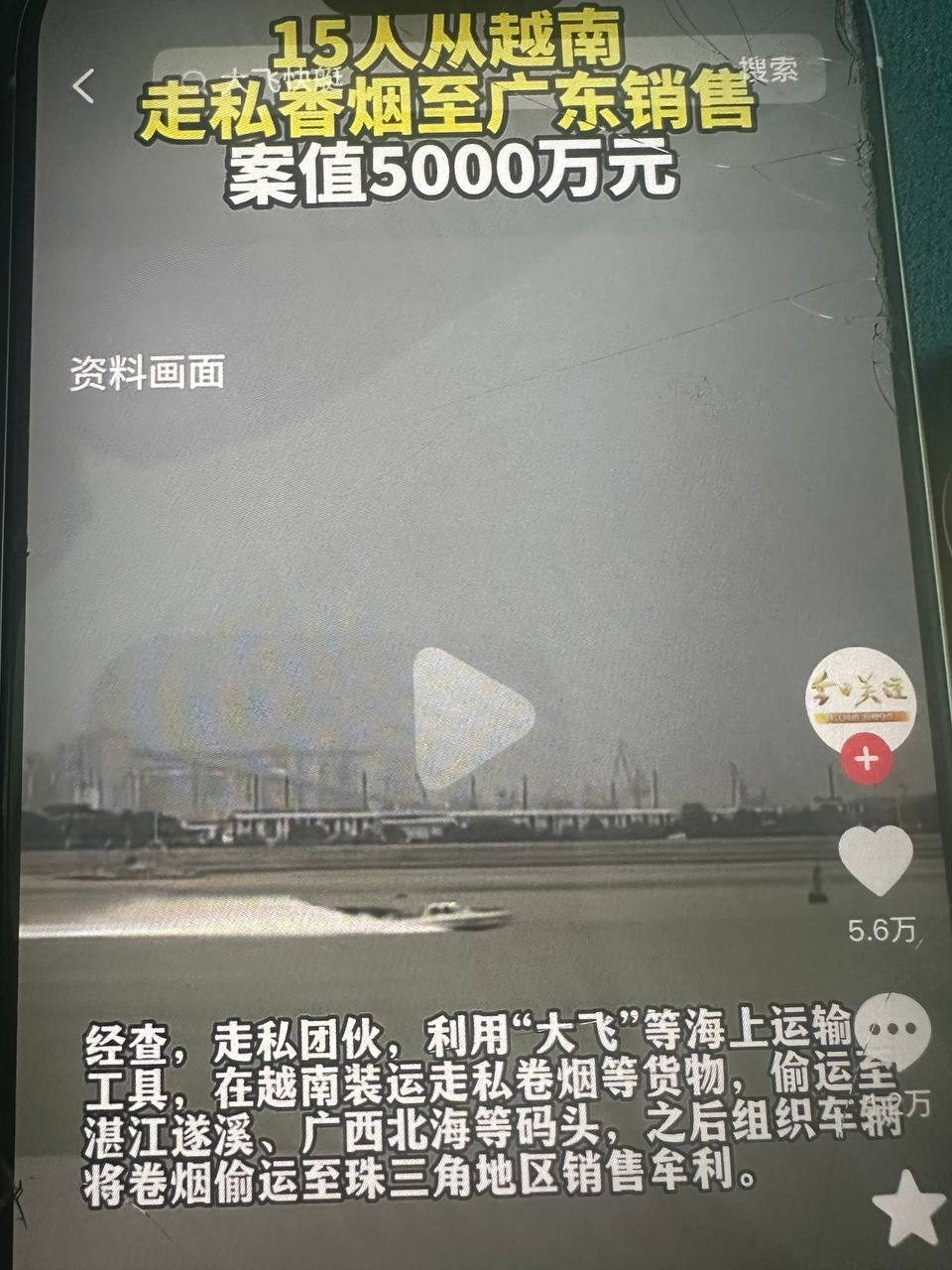
Scammers search for real smuggling cases, border news and commodity prices, then send the material to targets, using genuine news to prove that “this business really exists.”
Some scripts also deliberately downplay the illegality:
It is only tax evasion, after all.
This is intended to persuade targets that they are merely entering a gray-market business with manageable risks. The news may be real, and the goods and border trade may exist, but the recruiter, project and destination may all be fictitious.
The same approach can be repackaged around foreign exchange, overseas loans, gemstones, medicines or cross-border cargo. The subject changes, but the method remains the same: using a portion of searchable, genuine information to lend credibility to project details that cannot be verified.
“All You Need Is an ID Card”
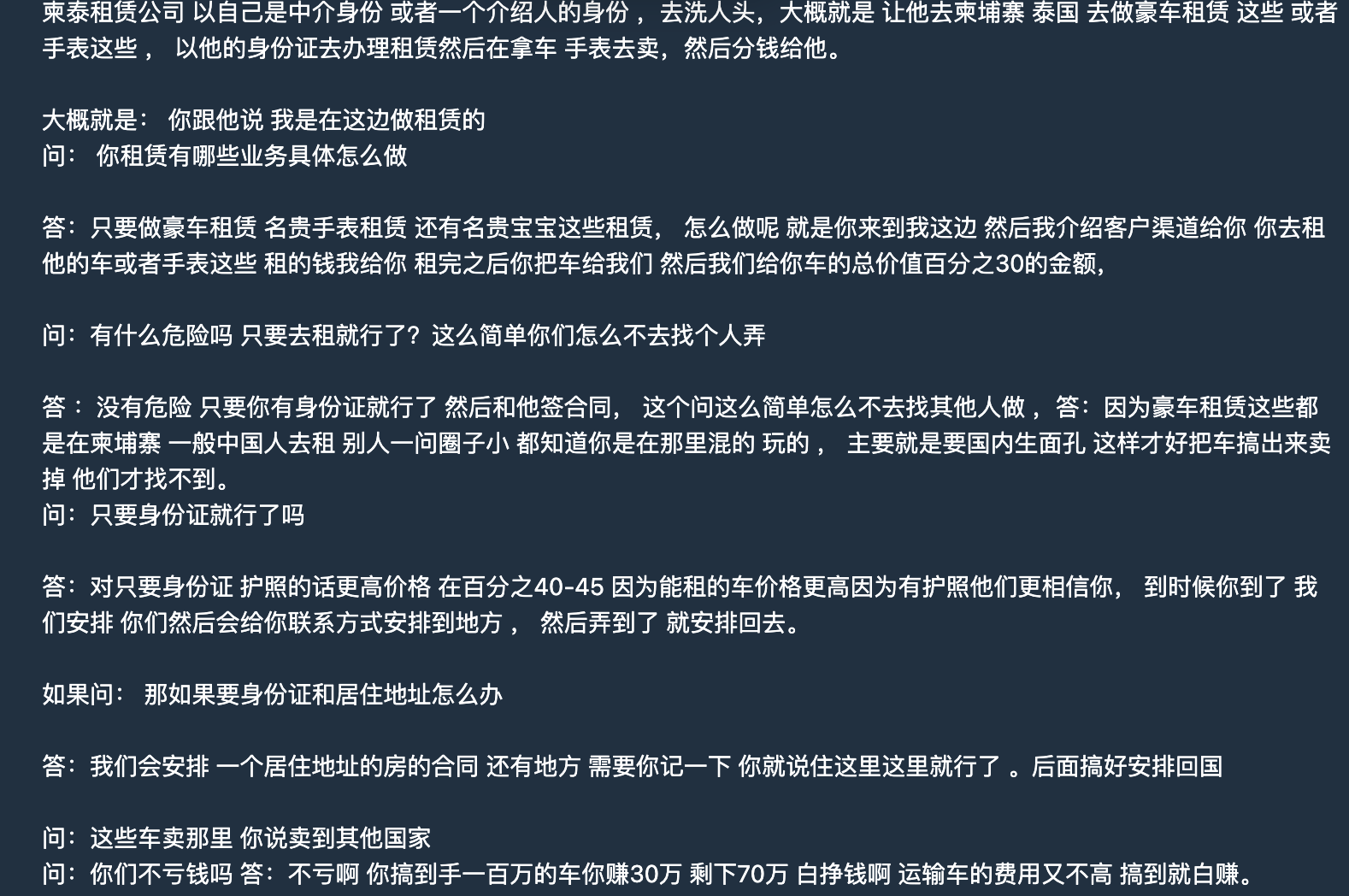
The second type is an “identity-based debt scam (身份背债),” which treats a person’s identity and credit as expendable resources.
Luxury-car rental is one common cover story.
Scammers pose as rental intermediaries and claim that participants need only bring an ID card or passport abroad, rent a luxury car or watch in their own name, and hand it over to the project operator to receive a substantial share of the proceeds.
To lower targets’ defenses, they repeatedly emphasize:
All you need is an ID card.
We will arrange everything when you arrive and arrange your return when it is done.
We will sign a contract with you.
Targets may already realize that the project is illegal, yet mistakenly believe they are simply lending their identity and taking a limited risk. But ordinary business logic cannot explain why someone needs inexperienced strangers to travel abroad or is willing to pay far more than normal labor rates.
To make the story more convincing, recruiters also search for real overseas car-rental companies, tourist cities and storefront photos, presenting them as reception locations. The real businesses are merely appropriated as a backdrop; their appearance does not indicate participation in or knowledge of the activities.
Legitimate Industries Can Also Become Bait
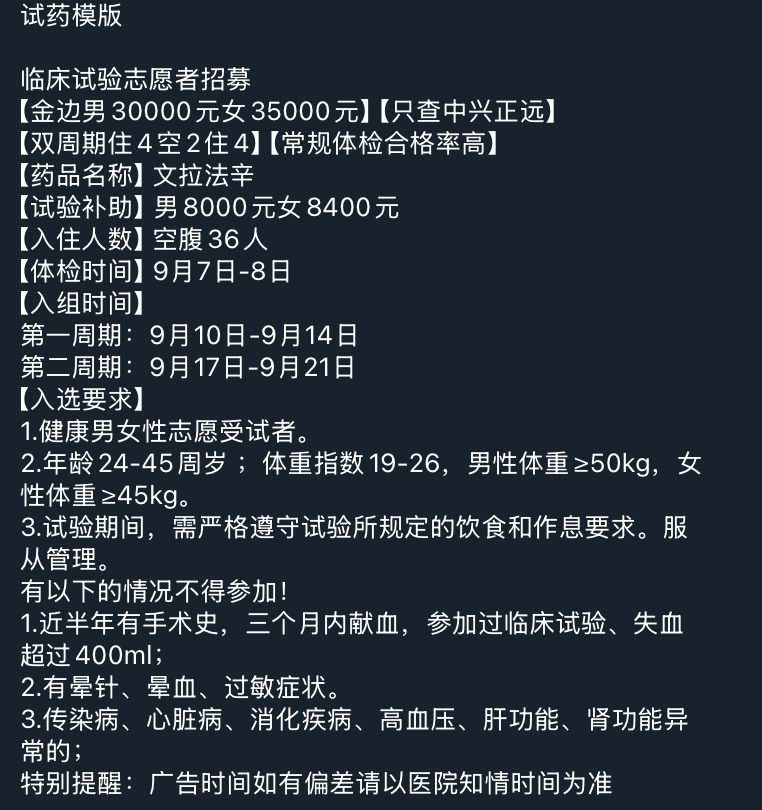
The third type is more deceptive: it directly copies recruitment templates from legitimate industries.
In the chat records, someone copies a legitimate clinical-trial volunteer recruitment notice, including the drug name, medical screening requirements, residential stay and compensation, then asks for the location and itinerary to be changed into a version suitable for moving people overseas.
Similar tactics can be applied to film and television production, logistics, tourism services and cross-border e-commerce. Even an advertisement with a standard format, a complete process and accurate technical terminology may simply have been copied from a genuine project.
When faced with such an invitation, do not try to determine its authenticity from the advertisement alone. If an offer promises unusually high pay for drug trials, filming, logistics or similar work, requires travel abroad or to a border area, and leaves transportation and accommodation to strangers, do not participate, submit identity documents, go to the designated location or board a vehicle they arrange.
Why Recruiters Require “Voluntary Participation” Videos
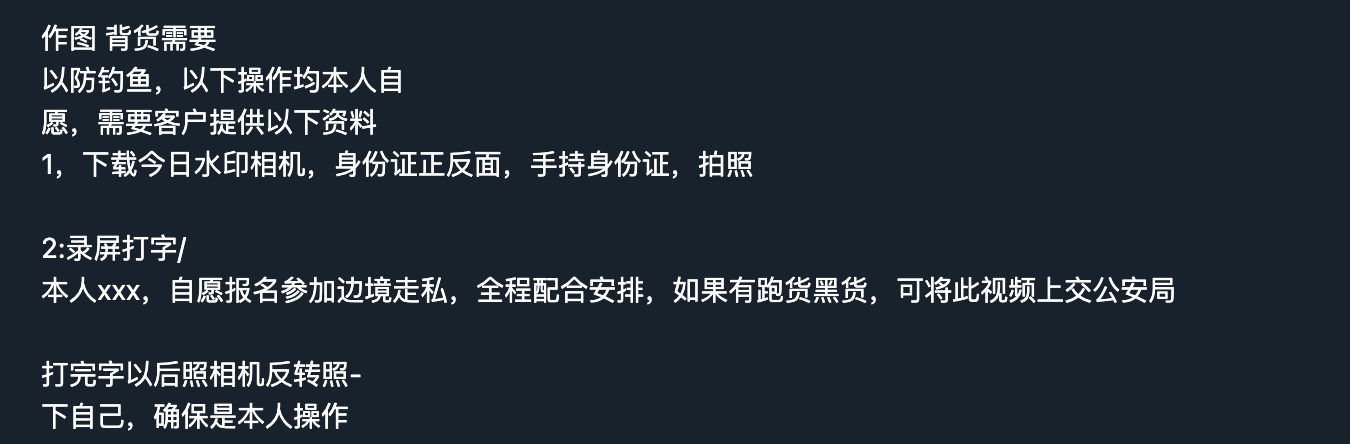
Before people are sent to a scam compound, recruiters often require images of both sides of their ID card, a photo holding the document, and a “voluntary participation” video showing their face while typing or reading aloud.
The process reflected in the intelligence indicates that these are primarily personnel-screening requirements set by the receiving companies in the compounds. The videos are used to confirm that people match their documents, observe whether they have apparent physical disabilities, and assess basic literacy, typing and communication skills. Requiring targets to follow specified instructions also tests their comprehension and willingness to cooperate.
In other words, this is not a normal company’s onboarding review, but a receiving party’s “inspection of goods (验货)” before people are delivered. Recruiters must prove that the people they send can be put to work directly in the compound.
The “voluntary” statement in a video does not establish that a target understands the true circumstances. Someone may willingly join a transport, rental or drug-trial project as described, without ever agreeing to be sent to a scam compound. When the true destination, work and risks to personal safety are concealed, the basis for that supposed consent falls away.
Any request that job seekers provide photos holding their ID cards, or record “voluntary participation” videos involving illegal activities or promises to follow instructions, should be treated as an extremely serious warning sign.
The Scripts Lead to Arranged Vehicles, Prices and Coercion
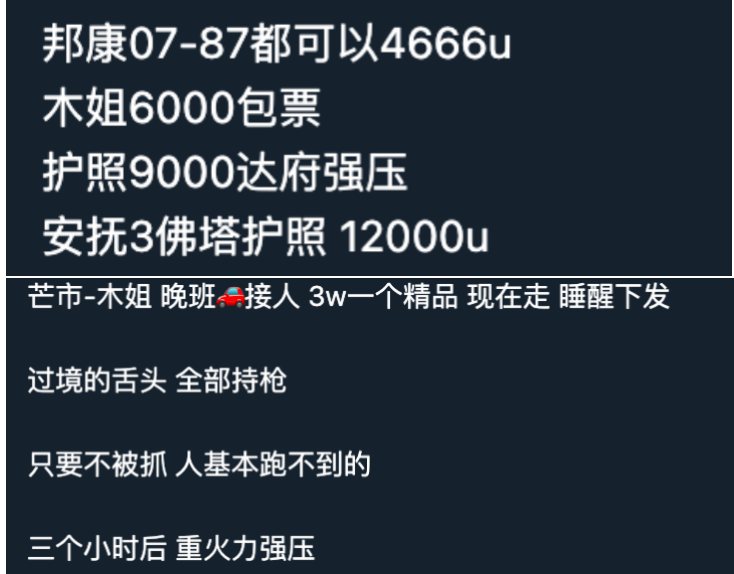
In downstream transactions, criminal operators refer to victims as “heads (人头)” and quote different prices according to their documentation, method of leaving the country and delivery location.
They categorize people using terms such as “passport (护照),” “small path (小路)” and “reassurance (安抚).” “Passport” refers to departure using valid travel documents; “small path” implies leaving illegally while bypassing border checkpoints; “reassurance” means that targets still believe the earlier fabricated project and must continue to be deceived into cooperating with the journey.
Some intelligence also contains references to “carrying firearms (持枪)” and “coercion (强压).” By this stage, the money-making circle, luxury-car business and formal contract have served their purpose: getting someone to reply voluntarily, hand over personal information and board a designated vehicle. Upon arrival, the person may immediately have their documents confiscated, communications restricted and freedom of movement curtailed.
Scams Persist Despite Sustained Crackdowns

In recent years, law enforcement agencies in China and abroad have continued to target scam compounds and the related recruitment, illegal border-crossing and financial networks. Recruitment and trading in people have nevertheless continued. The image shows a settlement record that surfaced on Oct. 30, 2026. “Settlement (结账)” here is not a wage payment; it refers to fees cleared between an intermediary and a receiving party after a person has been delivered to a compound. In this system, every completed settlement means another victim has been handed over to a compound.
When old scripts fail, recruiters switch industries. When one location arouses suspicion, they substitute a tourist city or neighboring country. As “overseas customer service” becomes widely recognized, the story changes to car rental, drug trials, loans, filming or cross-border transport.
Fraud prevention therefore requires more than remembering the name of a country, compound or occupation. The recurring structure is what demands attention: low entry requirements, high returns and short time frames; genuine news and company information used to support fabricated relationships; a move from public platforms to private group chats; and requests for identity documents and “voluntary participation” videos. Never readily trust a supposed opportunity to “make quick money.”
Legitimate overseas employment should be arranged through a company qualified to conduct foreign labor service cooperation, whose credentials can be checked against public lists maintained by the commerce authorities.
A new story does not mean the underlying scam has changed.
Disclaimer
This article is based on illicit-industry chat intelligence obtained by Bitrace and publicly available information. It aims to expose the risks of deceiving and transporting people under the guise of overseas work or cross-border projects. The quoted scripts are the original statements of their publishers; this article does not endorse or verify their accuracy.
News reports, companies, banks, medical projects, rental services and locations appearing in the materials may simply have been appropriated or combined by third parties. Their appearance does not constitute an allegation that the relevant institutions participated in, knew of or tolerated illegal activity. To avoid further dissemination of criminal methods, this article omits accounts, contact details, specific routes, prices and directly reusable operational details. The precise legal nature of the activities must be determined by the competent authorities under the law, based on the complete evidence.
Contact us:
Website: www.bitrace.io
Email: [email protected]
Twitter: @Bitrace_team
LinkedIn:@bitrace tech